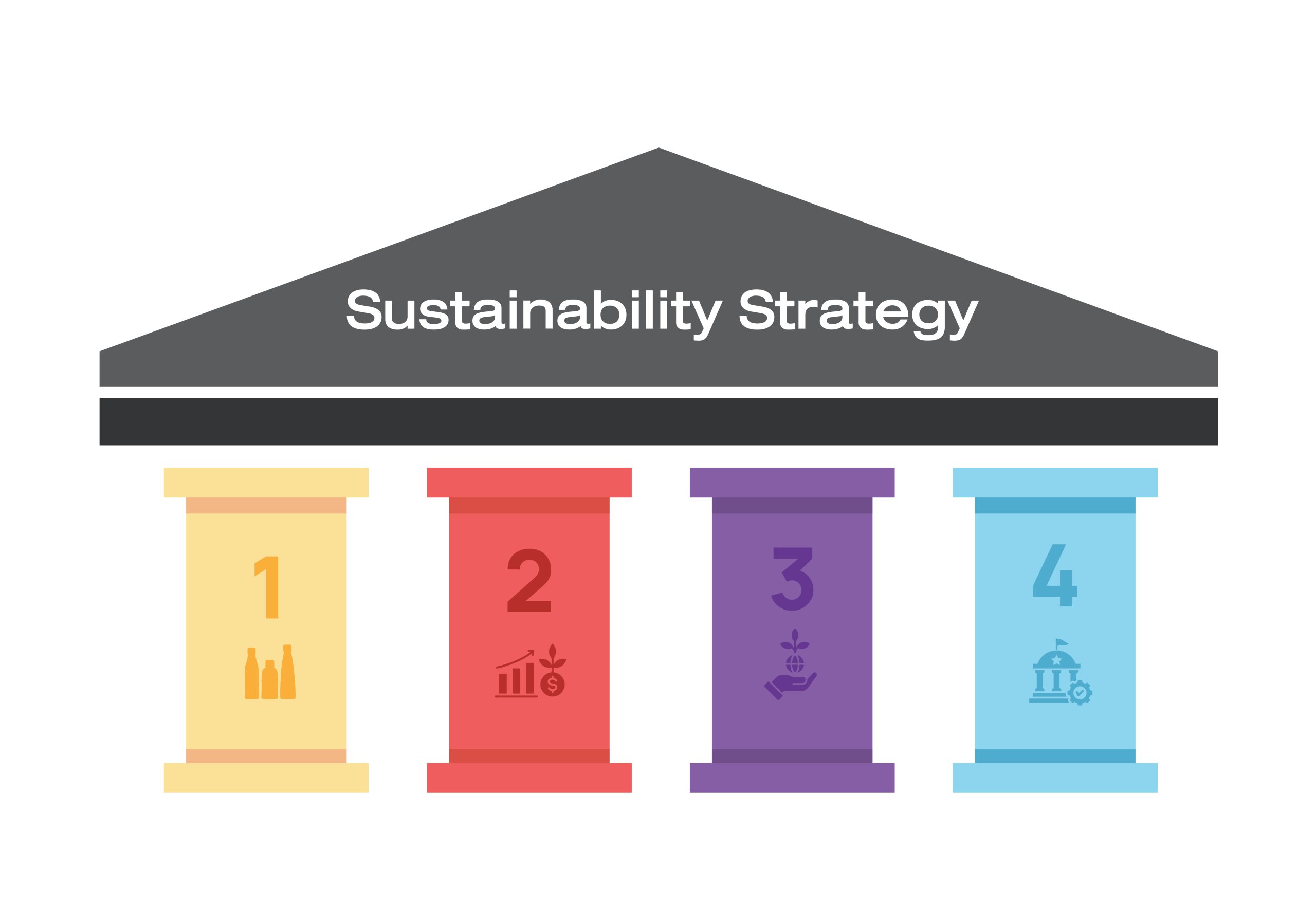
Sustainability Strategy
SAPPE integrates Environmental, Social, and Governance (ESG) considerations into its corporate strategy and decision-making processes at all levels, enabling the systematic management of impacts, risks, and business opportunities. This approach is undertaken within the context of key global challenges, including climate change, evolving stakeholder expectations, and relevant international standards.
The Company’s sustainability strategy is informed by the outcomes of the Materiality Assessment and is closely linked with the Enterprise Risk Management (ERM) framework. This ensures that issues identified as “very high” in significance are subject to Board-level oversight, with clearly defined targets and key performance indicators (KPIs), as well as ongoing monitoring and periodic review.
Based on this framework, SAPPE has established its sustainability strategy across 4 key pillars, as follows:
1
Innovation & Responsible Product Leadership

Focuses on developing innovative products and services that meet consumer needs, while ensuring safety, quality, and responsibility throughout the product lifecycle. It also aims to elevate standards for responsible marketing.
2
Sustainable Business Growth
Drives business growth based on sustainability by integrating ESG considerations into the corporate strategy to enhance long-term competitiveness and value creation.
3
Responsible Resource & Environmental Stewardship
Strengthens water security, manages resources efficiently, and minimizes environmental impacts to support the sustainability of the value chain.
4
Good Governance & Inclusive Organization
Enhances corporate governance, promotes diversity, equity, and inclusion, and fosters an organizational culture that prioritizes the health, safety, and well-being of stakeholders.
Innovation & Responsible Product Leadership

Strategy Implementation
– Increase the proportion of health products in the portfolio
– Continuously develop new products based on consumer insights
– Control quality and safety in accordance with international standards
– Conduct marketing communications responsibly
Performance in 2025
– Health products accounted for 43.9%
– Developed 36 new products
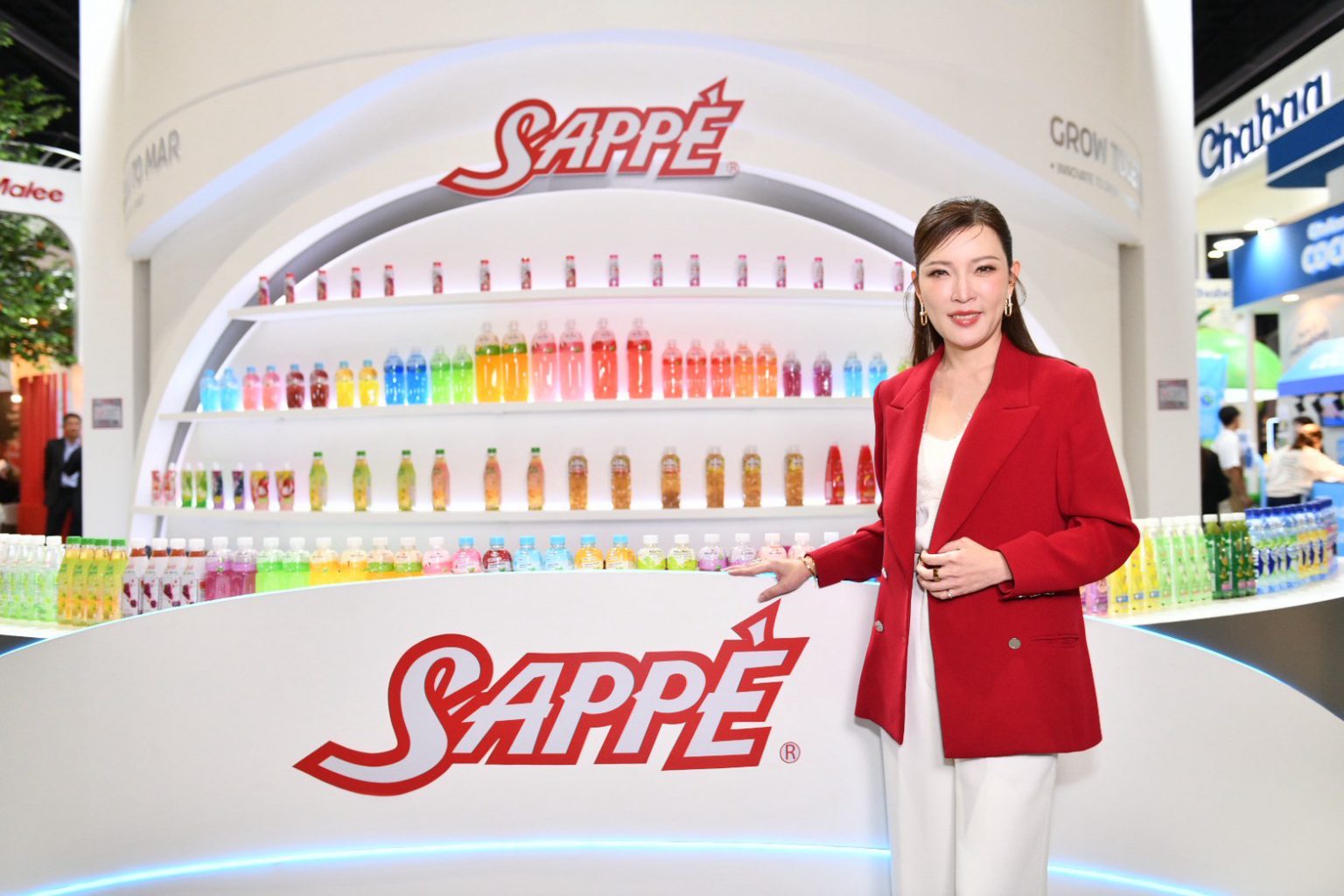
– Expanded the global brand “Mogu Mogu” to over 100 countries
– Conducted marketing campaigns aligned with the concepts of Self-Love and social responsibility
Focuses on developing innovative products and services that meet consumer needs, while ensuring safety, quality, and responsibility throughout the product lifecycle. It also aims to elevate standards for responsible marketing.
Material Issues
1. Product Innovation and Responsibility
2. Healthy and Safe
3. Responsible Marketing
Action Plan
– Increase the proportion of health products to over 50% by 2030
– Develop innovation in the functional and health-focused segment
– Enhance the Responsible Marketing Framework across all operating markets
Good Governance & Inclusive Organization

Enhances corporate governance, promotes diversity, equity, and inclusion, and fosters an organizational culture that prioritizes the health, safety, and well-being of stakeholders.
Material Issues
1. Diversity, Equity and Inclusion
2. Corporate Governance
Action Plan
– Enhance the ESG governance framework
– Increase female representation on the Board
of Directors to no less than 30% by 2026
– Advance organization- wide AI transformation
to improve operational efficiency
Strategy Implementation
– Operate under principles of good governance and transparency
– Promote diversity and equal opportunities
– Develop human capital and future-ready skills
Performance in 2025
– Achieved a 4-star CGR rating
– Maintained continuous membership in CAC
– Female employees accounted for 50% of the workforce,
with 33% in top management positions
– Achieved an employee engagement score of 4.31/5
– Seven AI competition projects were successfully implemented
Responsible Resource & Environmental Stewardship
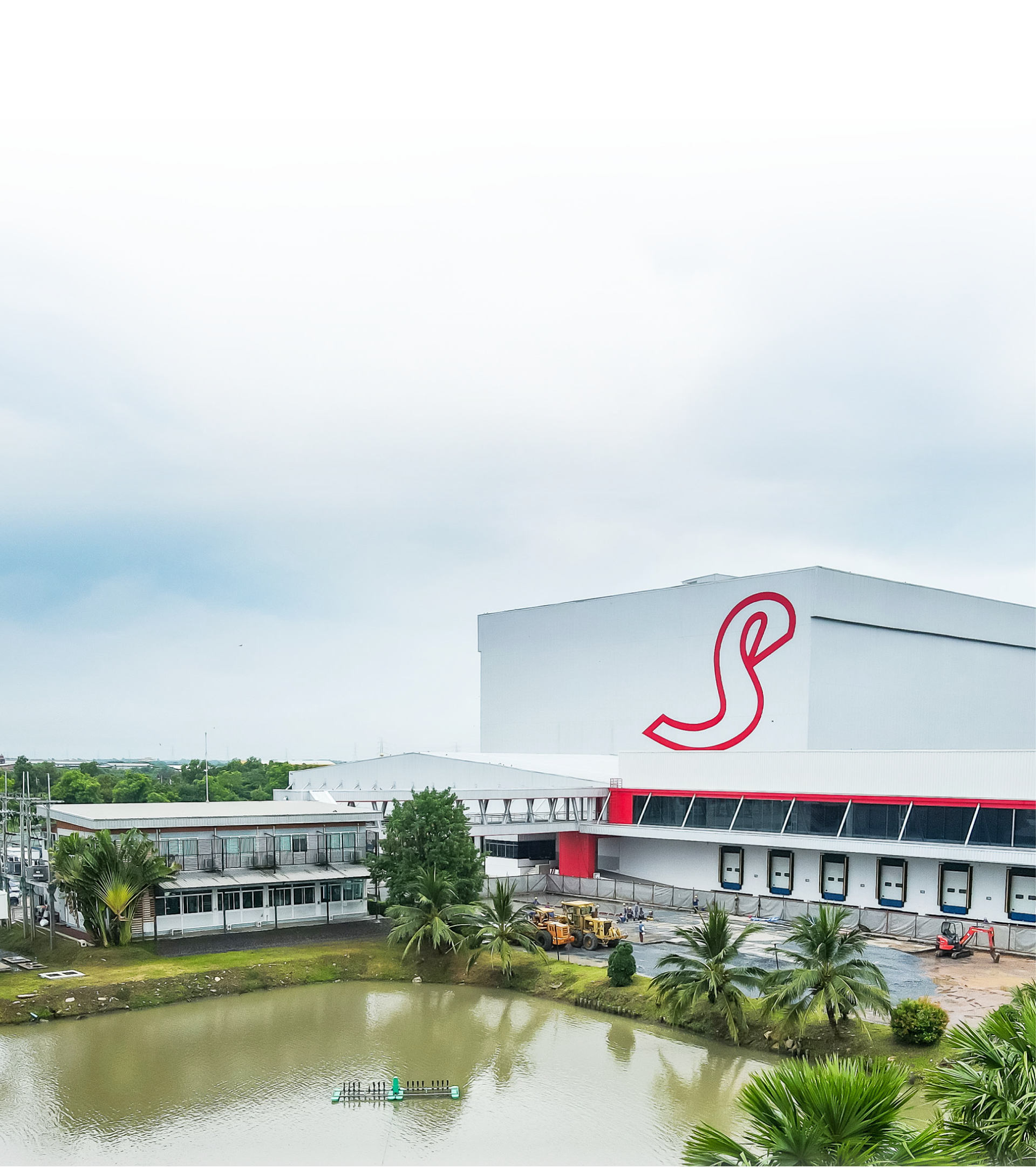
Strengthens water security, manages resources efficiently, and minimizes environmental impacts
to support the sustainability of the value chain.
Material Issues
Water Security
Action Plan
– Reduce water intensity by 10% from the 2025 baseline by 2027
– Continuously increase the water recycling rate
– Develop a water dashboard for real-time monitoring
– Enhance wastewater quality monitoring (COD, BOD, SS, pH)
– Monitor Water KPIs and report to the management team
on a monthly basis
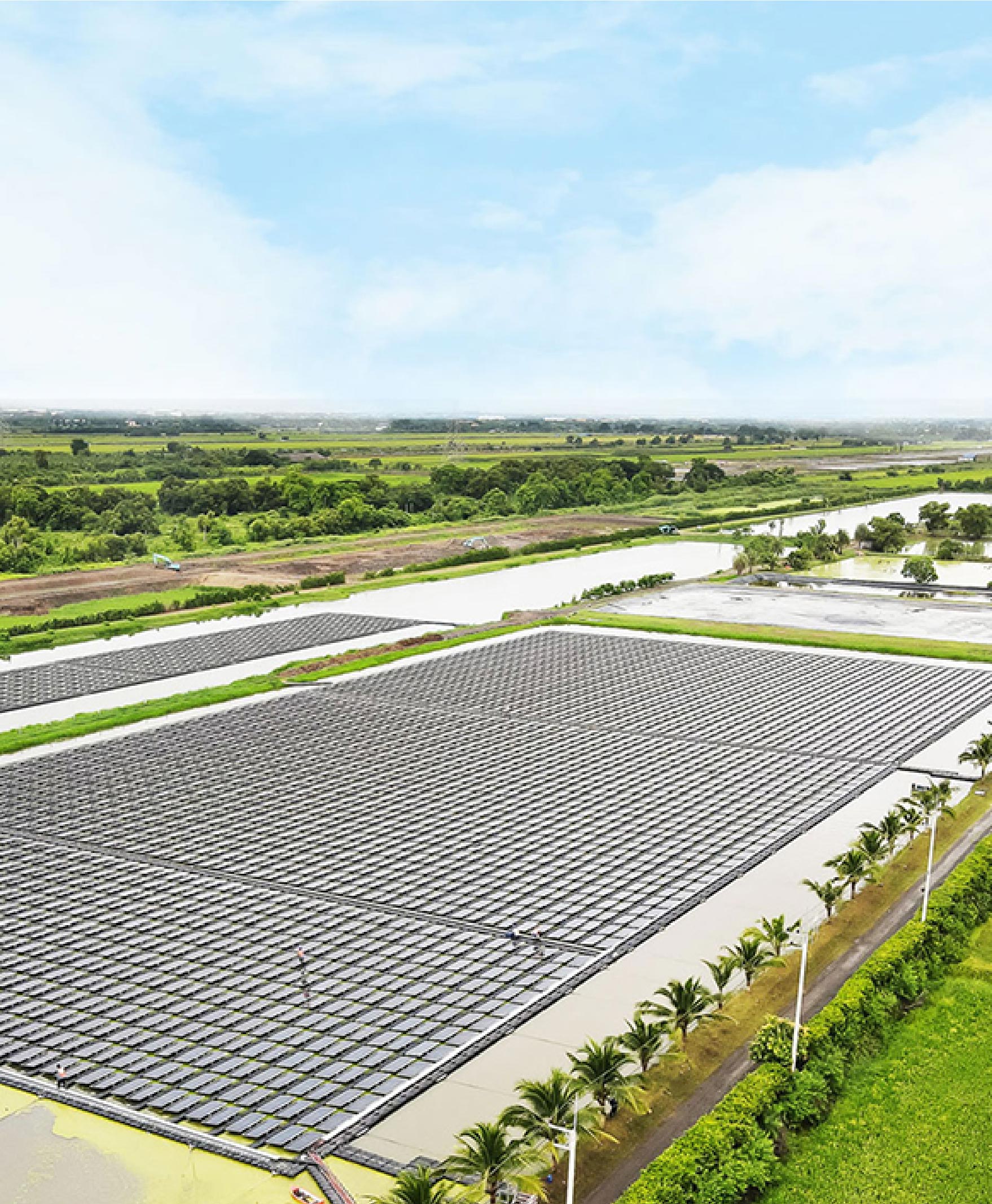
Strategy Implementation
– Designate Water Management as a material topic
– Cover 100% of water management across production facilities
– Establish a water management team and define water KPIs
– Operate under a Zero Discharge policy
– Conduct a water risk assessment and develop a corporate water management plan
– Collaborate with the Royal Irrigation Department
– Prepare to develop a water dashboard and install flow meters
Performance in 2025
– Reduced external water withdrawal to 50%
– Recycled water intake reached approximately 320,000 cubic meters, increasing from the previous year
– Water intensity was 0.0046 m³ per liter of product
– Operated under a Zero Discharge policy
– No wastewater discharge outside the factory
– No violations of water-related laws in 2025
Sustainable Business Growth
Drives business growth based on sustainability by integrating ESG considerations into the corporate strategy to enhance long-term competitiveness and value creation.
Material Issues
1. Business Growth
2. Sustainability Development
Action Plan
– Strengthen global brand positioning
– Integrate ESG across all organizational functions
– Expand international strategic partnerships
Strategy Implementation
– Integrate ESG into business and investment plans
– Expand international markets
– Focus on technology and data systems to improve efficiency
– Establish strategic partnerships across regional and international markets
Performance in 2025
– Exported products to over 100 countries
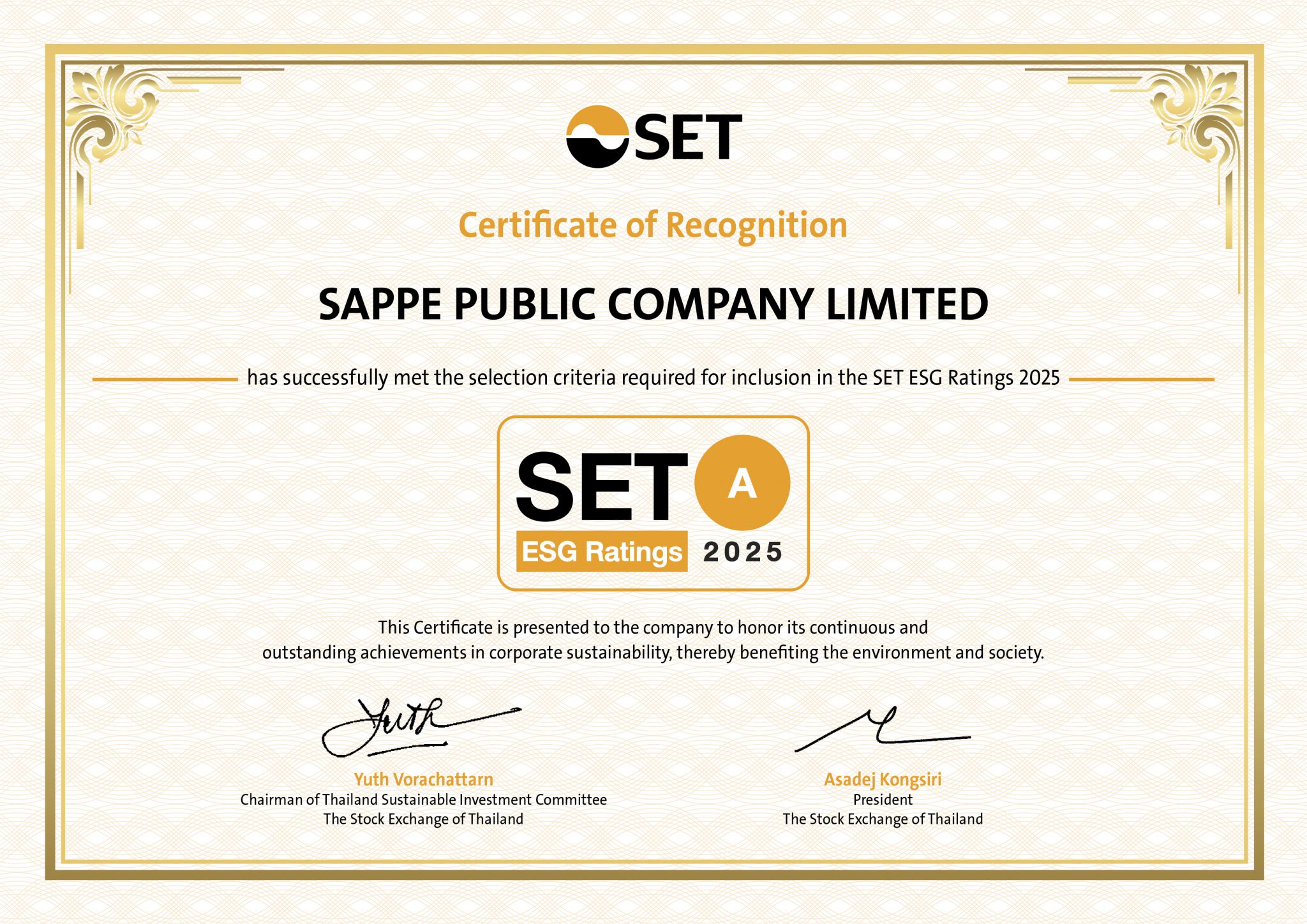
– Achieved SET ESG Rating of A, reflecting the integration of ESG into business operations in a concrete manner
– Applied a data-driven approach in planning and strategic decision-making to enhance operational efficiency and market expansion