



The Company recognises suppliers as strategic partners and places strong emphasis on supplier relationship management to build a transparent, responsible, and sustainable supply chain that enables long-term shared growth. The Company systematically integrates environmental, social, and governance (ESG) considerations into its procurement processes, covering supplier selection and risk assessment, the establishment of supplier requirements and business standards, and ongoing monitoring, auditing, and performance evaluation.
This approach is designed to ensure that suppliers operate in accordance with the Company’s ethical standards, applicable legal and regulatory requirements, and relevant international standards, including principles relating to human rights and social responsibility throughout the supply chain.
Sustainable Supplier Engagement Target
– Achieve 100% monitoring and assessment coverage of key suppliers against the Company’s Supplier Code of Conduct.
Performance on Sustainable Supplier Engagement

Key suppliers
32 suppliers [%]
0
No material cases of non-compliance identified

New suppliers
12 suppliers [%]
0
No material cases of non-compliance identified
Management Approach
SAPPE is committed to conducting its business in line with sustainable growth principles, with a strong focus on quality, innovation, and good corporate governance, while systematically integrating environmental, social, and governance (ESG) considerations into its procurement and supply chain management processes.To support this commitment, the Company has established a Supplier Code of Conduct as a minimum standard applicable to all suppliers. The Code covers key areas including business ethics, anti-corruption, human rights, labour standards, and environmental management, with the aim of strengthening risk management and promoting transparency throughout the supply chain.
Compliance with the Supplier Code of Conduct forms part of the Company’s supplier selection, registration, and ongoing performance evaluation processes. In addition, the Company actively promotes supplier capability development to enhance operational standards and align supplier practices with the Company’s ESG expectations, thereby creating shared value and supporting long-term sustainable growth across the supply chain.
Supplier Selection and Qualification
SAPPE’s supplier selection and qualification process is conducted under an ethical and sustainability framework. All new suppliers are required to undergo a Supplier Pre-qualification and ESG Screening process prior to formal supplier registration. The assessment covers key criteria including business stability, delivery capability, product quality and safety, business transparency, as well as compliance with environmental and social requirements. The supplier evaluation criteria and methodology are outlined as follows:
New suppliers

All new suppliers are required to undergo a Supplier Pre-qualification process, which integrates assessments of business capability, quality, food safety, and ESG-related risks, including verification of relevant certifications and supporting documentation. The Company applies a risk-based approach to raw material assessment and conducts quality testing prior to approval for use. In addition, packaging materials are required to comply with applicable food safety requirements in each respective market. Suppliers meeting the established criteria are formally approved and enrolled in the Company’s supplier management system, which includes ongoing monitoring and periodic performance evaluation.
Existing suppliers
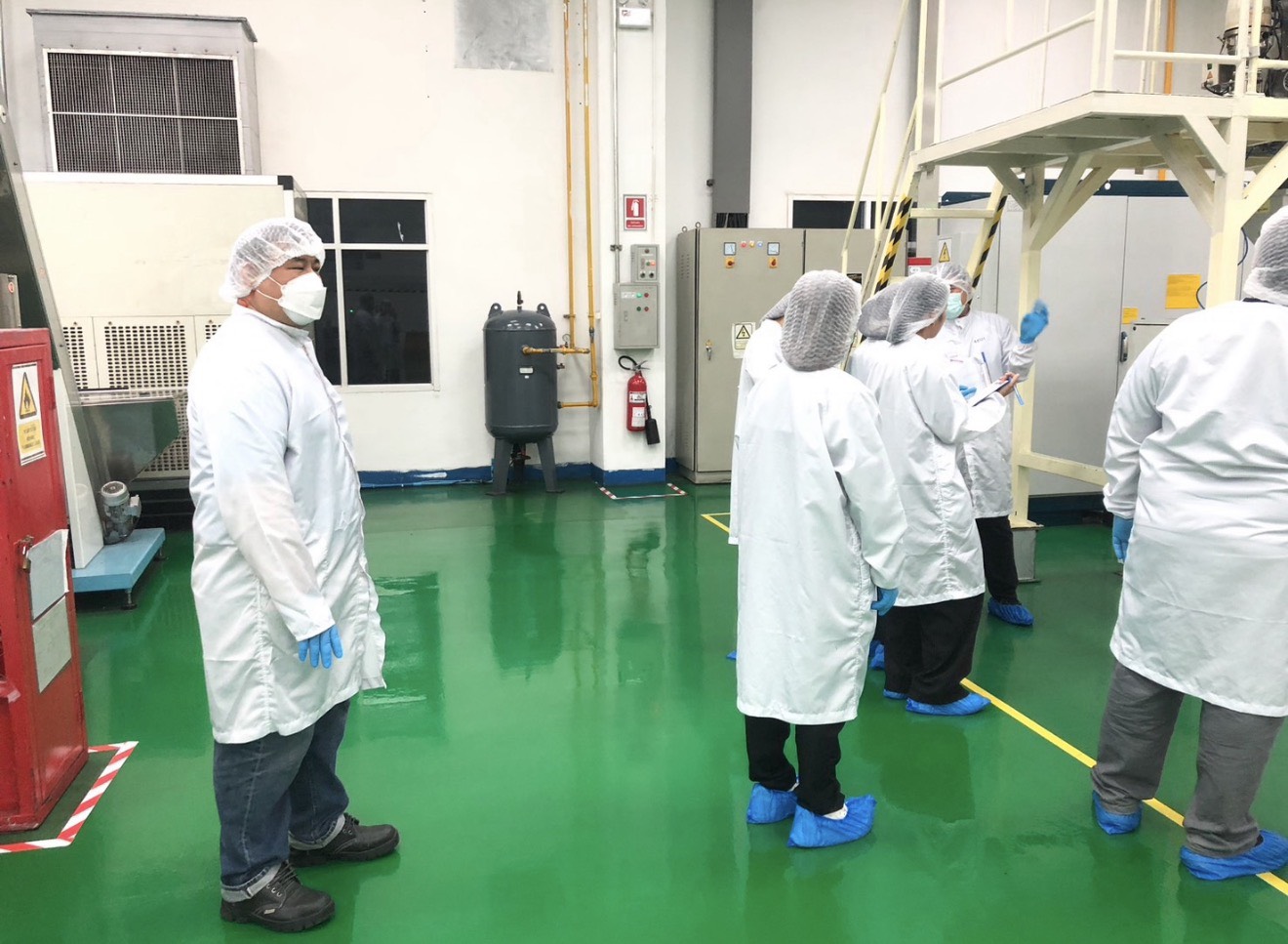
SAPPE conducts ongoing supplier performance evaluations covering product quality, delivery performance, commercial terms, and compliance with ESG principles, with assessment results regularly used to support supplier development and continuous improvement. For key or higher-risk suppliers, the Company conducts additional in-depth audits covering quality standards, safety requirements, and business ethics. Where deficiencies are identified, corrective action plans are established and systematically monitored, with supplier status subject to review where improvements are not achieved in line with the Company’s requirements.
Supplier Classification
The Company classifies suppliers based on their level of criticality and potential risk to business operations, with particular emphasis placed on Critical Suppliers, which may significantly impact production continuity, product quality, and ESG-related risks. These suppliers are subject to more rigorous assessment and monitoring processes compared to other supplier groups, in line with the Company’s systematic risk management approach. Suppliers are categorized into two main groups as follows:
Supplier Composition by Significance (Suppliers that are primary manufacturers and distributors of goods or services critical to the Company’s production processes, and are listed in the approved vendor list.)
No Data Found
No Data Found
Raw Materials and Suppliers
The Company manages the procurement of raw materials and packaging materials under the principles of supply chain security, risk diversification, and systematic quality control. The procurement structure is categorized into two main groups: raw materials for production and packaging materials.
Raw Material Sourcing Proportion (% of total procurement value)
No Data Found
No Data Found
SAPPE prioritises sourcing raw materials from Thai farmers and domestic suppliers as a first priority to support the local economy, strengthen community income generation, and enhance raw material quality in line with international standards. In addition, promoting local procurement helps mitigate logistics-related risks, reduce transportation distances, and improve regional supply chain resilience and flexibility.
Procurement Proportion (% of total procurement value)
No Data Found
No Data Found
Supplier Capacity Building
Appropriate sharing of strategic information and market trends is undertaken to support production planning and raw material sourcing in alignment with actual demand. In addition, quarterly performance review meetings are conducted jointly with suppliers to assess performance, identify and analyse risks, and establish continuous improvement actions collaboratively.

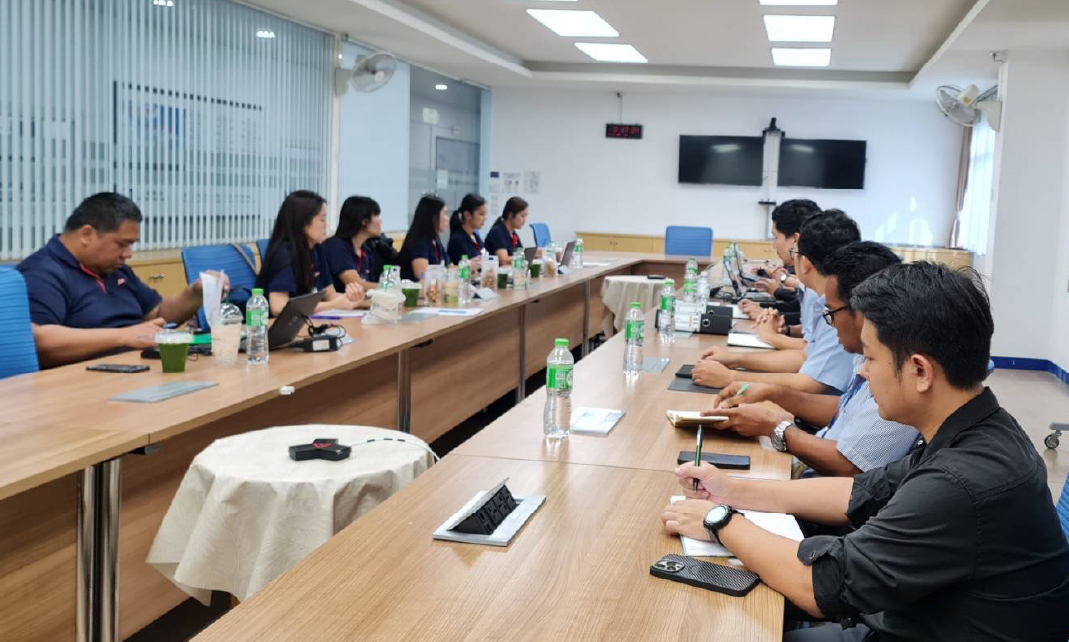
The Company promotes ESG awareness and capability development among suppliers through the communication of expected standards, the provision of guidance, and support for suppliers in enhancing their operational practices in alignment with relevant requirements, including human rights, labour practices, occupational health and safety, and environmental management standards.
The Company encourages suppliers to become members of Thailand’s Private Sector Collective Action Coalition Against Corruption (CAC) to promote transparent business practices and strengthen anti-corruption standards across the supply chain.