

SAPPE is committed to implementing its waste management policy through a systematic process for assessing and monitoring waste generation arising from its operations, with the objective of improving operational efficiency and reducing waste generation. This approach covers the management of both hazardous and non-hazardous waste to maximise resource efficiency throughout the value chain, while minimising the overall volume of waste generated.
The Company places emphasis on waste reduction at source by applying the 3Rs principles, comprising Reduce (minimising resource consumption to only what is necessary), Reuse (reusing materials where feasible), and Recycle (recovering and reprocessing materials for further use). Recognising that certain waste streams may pose environmental impacts, such as contaminated packaging, the Company appoints licensed third-party waste management service providers authorised by the Department of Industrial Works to ensure proper waste treatment and disposal.
In addition, the Company prepares and maintains annual records of waste volumes sent for disposal to ensure that all waste is managed in accordance with the Company’s internal requirements and in full compliance with applicable laws and regulations.
Waste and Pollution Targets
– Achieve Zero Waste to Landfill by 2026
– Control waste generation in factories to no more than 1% of total production capacity
– Implement air emission controls that are more stringent than regulatory requirements
To reduce waste generation from manufacturing operations
to no more than [%]
100
of total production capacity.

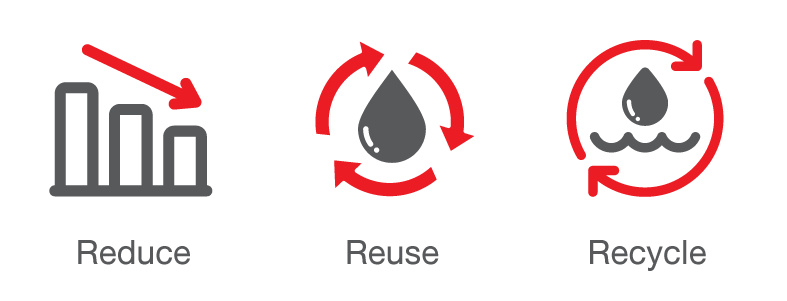
Apply the 3Rs to enhance resource efficiency, minimize waste at source, and systematically reduce environmental impacts.
• Reduce
• Reuse
• Recycle
The Company’s operations cover the management of both hazardous and non-hazardous waste, in strict compliance with applicable environmental laws and regulations. This includes engaging licensed waste disposal service providers and ensuring proper reporting to relevant regulatory authorities, such as the Department of Industrial Works.
In addition, environmental audits are conducted by legally accredited bodies to ensure that the Company’s waste and pollution management practices align with international standards. These measures enhance transparency, ensure accountability, and support the reduction of environmental and social impacts across all stakeholder groups in a sustainable manner.
The volume of waste and by-products generated from business operations is as follows:
Waste Volume (Metric Tons) |
2025 |
2024 |
2023 |
Non-Hazardous Waste |
845.39 |
474.16 |
411.55 |
Hazardous Waste |
2.85 |
5.45 |
2.22 |
Total |
848.24 |
479.62 |
413.77 |
The volume of waste and by-products from business operations by management method is as follows:
NO. |
List |
Units |
2025 |
2024 |
2023 |
|
1 |
Recycled Waste |
Metric Tons |
334.49 |
479.57 |
413.77 |
|
2 |
Reused Waste |
Metric Tons
|
0.63 |
204.89 |
285.29 |
|
3 |
Waste Used as Alternative Fuel |
Metric Tons |
1.98 |
2.90 |
1.59 |
|
4 |
Waste Recovered for Other Uses |
Metric Tons
|
0.24 |
2.52 |
0.63 |
|
5 |
Waste Used as Soil Improver |
Metric Tons |
504.92 |
241.23 |
126.18 |
|
6 |
Waste Sent for Recycling |
Metric Tons |
0.00 |
30.55 |
0.71 |
|
7 |
Non-Recyclable Waste |
Metric Tons |
5.98 |
0.00 |
0.00 |
The Company also places importance on managing air quality both within its operational sites and in surrounding communities by implementing air quality management and control plans to ensure that air emissions remain within applicable standards. In addition, the Company continuously seeks opportunities to enhance its air quality control systems. Regular air quality monitoring and assessment are conducted to ensure operational compliance with relevant regulations and to strengthen stakeholder confidence in the Company’s environmental management practices.
Factory Air Pollution Discharge Data
| Measurement | Unit | Legal Standard | Sappe Target | Measured Value 2025 | Measured Value 2024 | Measured Value 2023 |
|---|---|---|---|---|---|---|
Nitrogen Oxides (NOx) |
ppm
|
<200 |
<100 |
<1 |
<1 |
13 |
Sulfur Oxides (SOx) |
ppm
|
<60 |
<30 |
<0.13 |
31.4 |
<0.01 |
Carbon Monoxide (CO) |
ppm
|
<690 |
<345 |
285 |
564 |
28.3 |
Total Suspended Particles (TSP) |
mg/m3 |
<320 |
<160 |
6.5 |
64.4 |
109 |
Projects Implemented by the Company
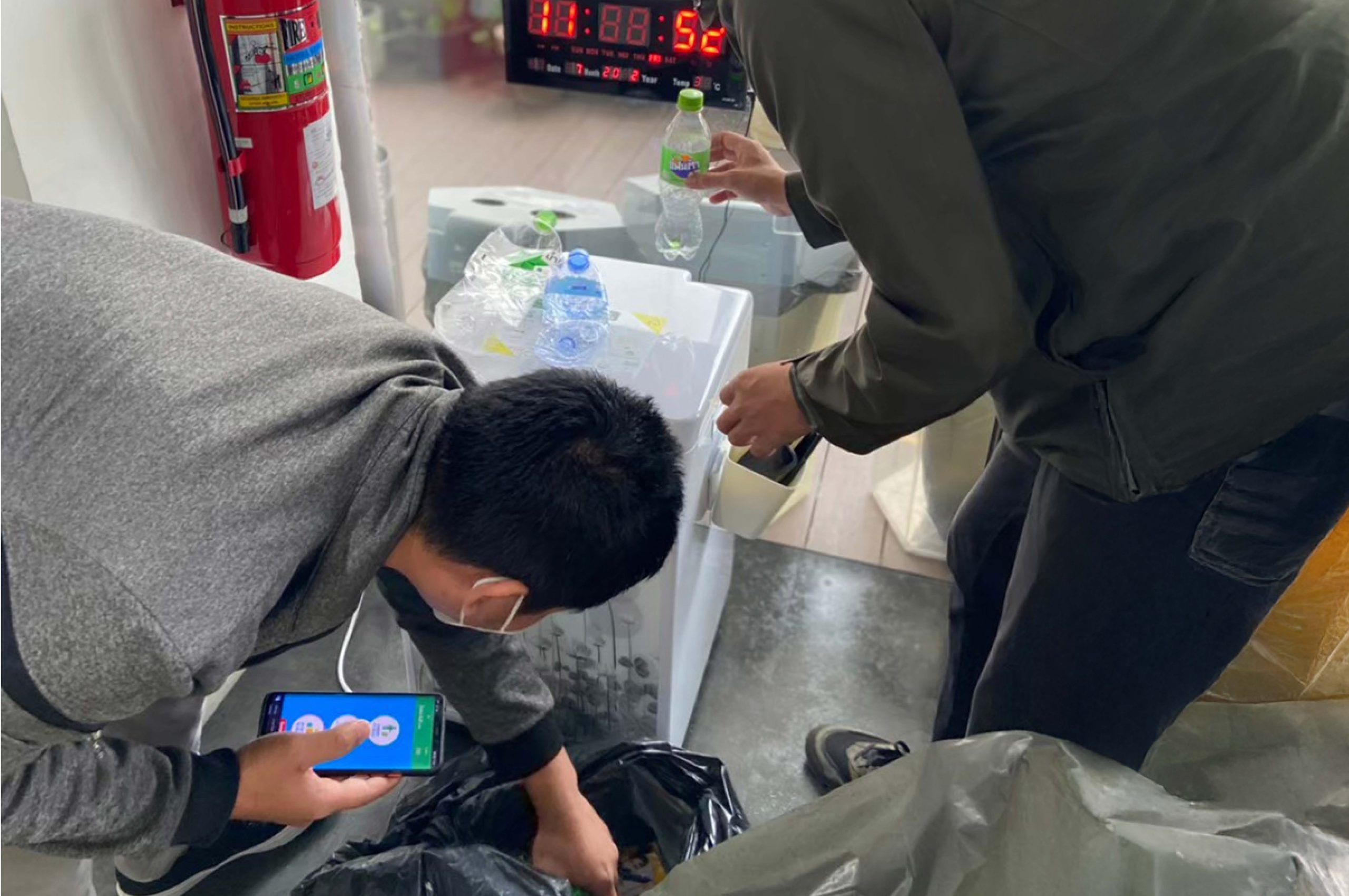
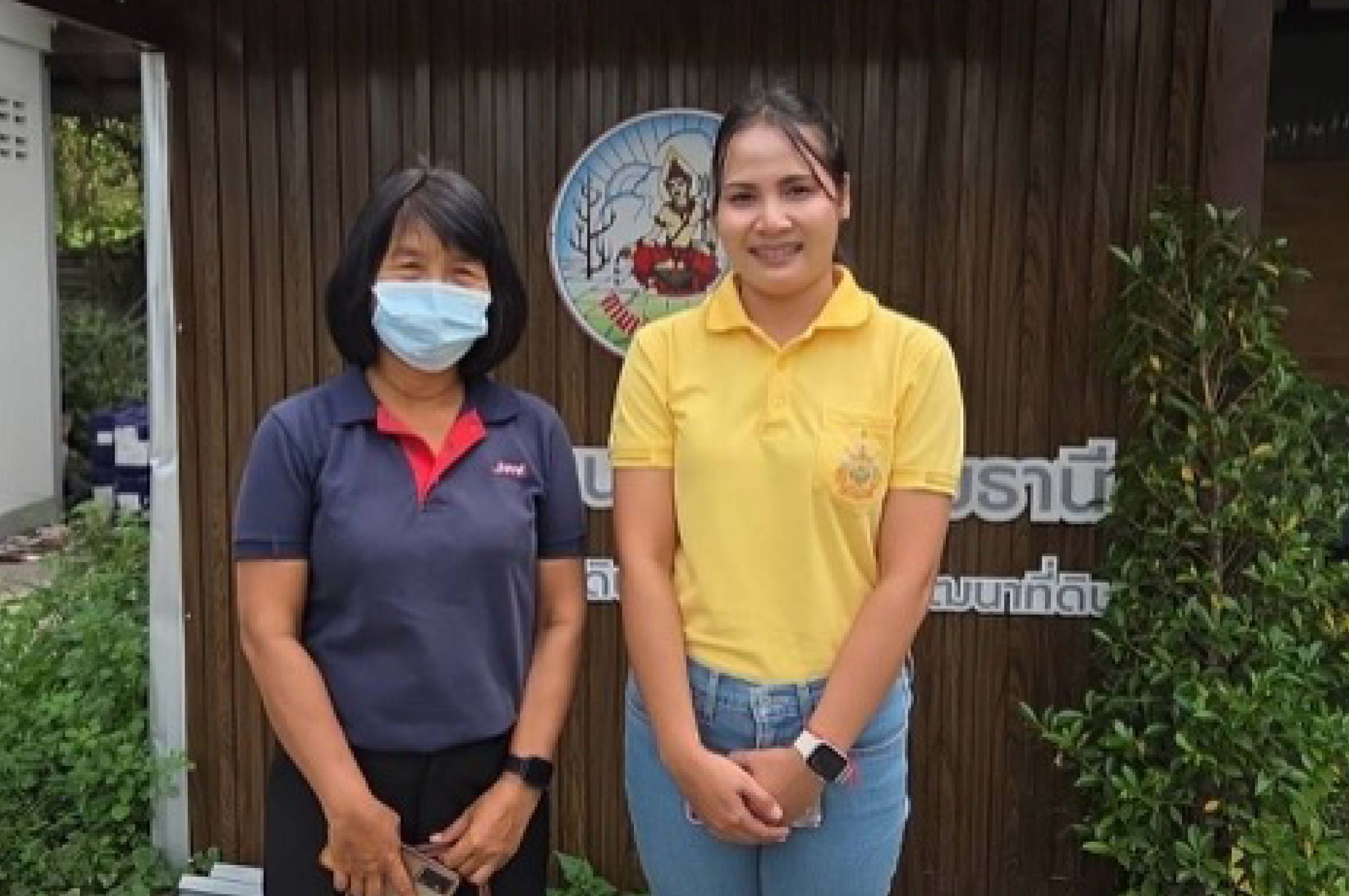
Waste segregation project within the canteen,
including separating plastic, glass, and used paper for recycling, and separating food waste for the community to use as animal feed.
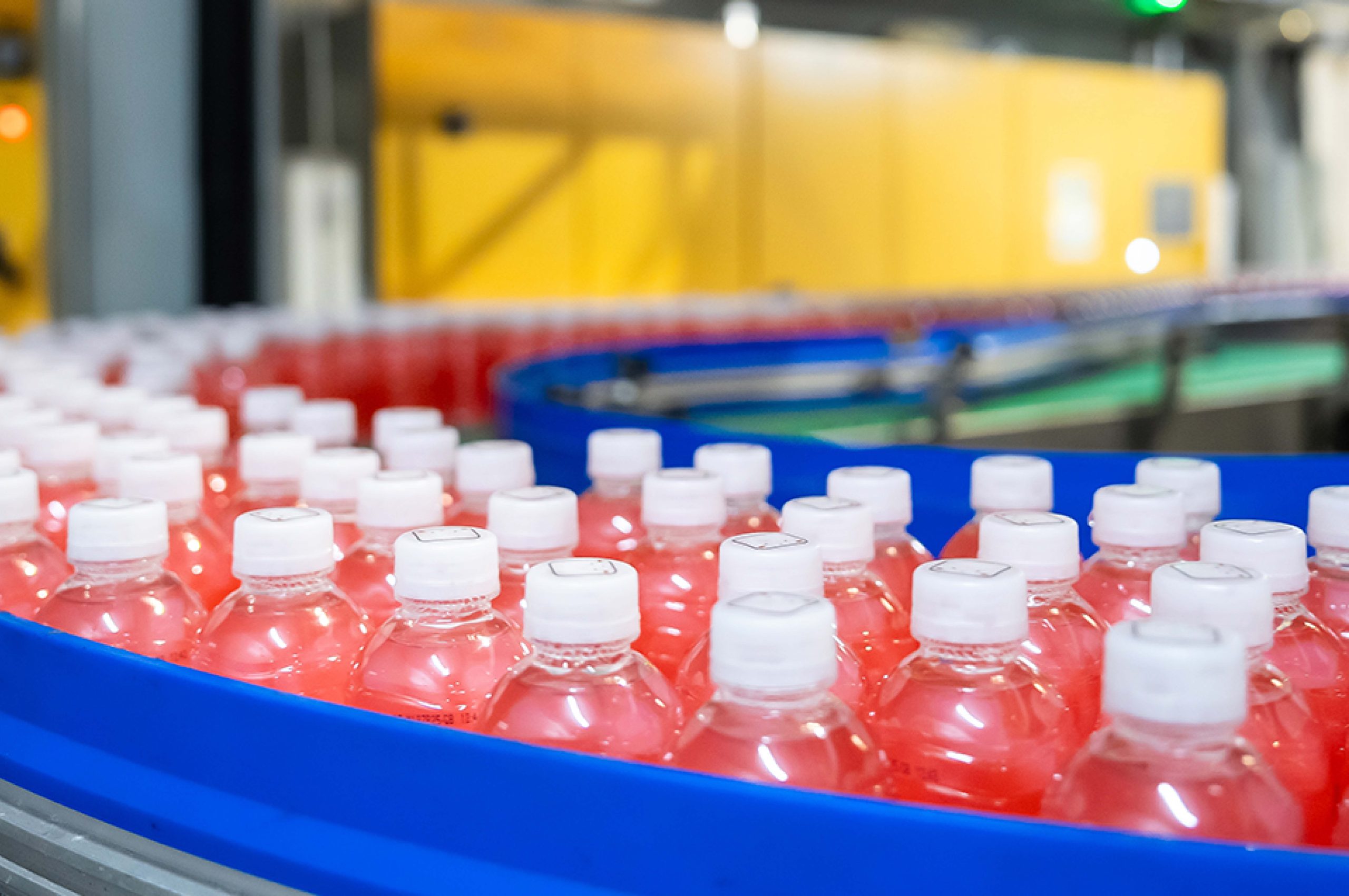
Control production quality
to meet standards in order to reduce waste from production errors.
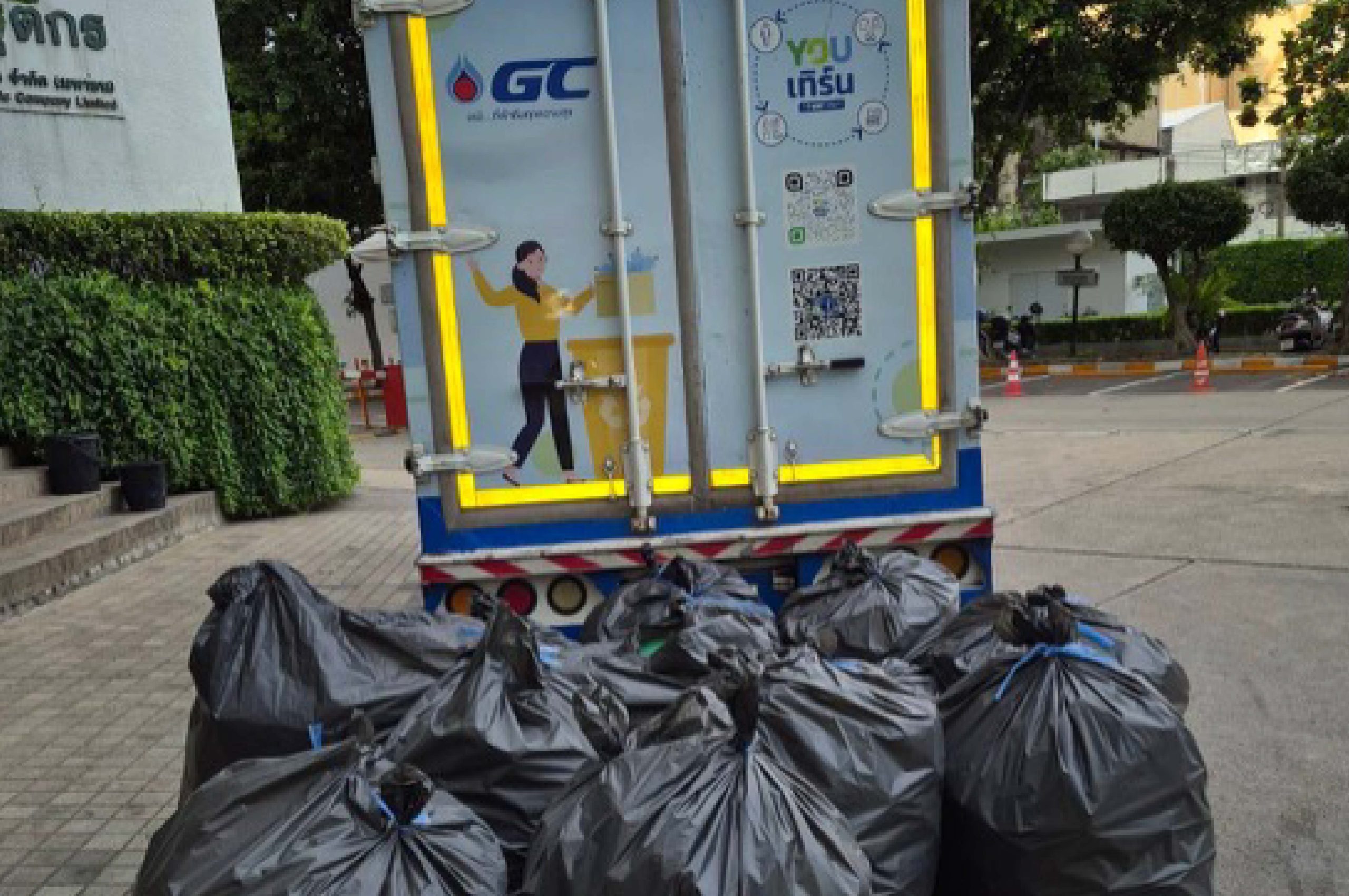
YOU Turn project with PTT Global Chemical
Public Company Limited (GC)
The company participates in the YOU Turn project with PTT Global Chemical Public Company Limited (GC), starting from plastic waste segregation and disposal at YOU Turn clean plastic drop points or YOU Turn Drop Points, allowing it to enter the sorting process for reuse. The project collects and sorts plastic waste and connects transportation to ENVICCO, GC’s world-class plastic recycling plant, and certified partner recycling facilities to ensure proper waste management, maximize reuse instead of landfill disposal, comply with the Circular Economy concept, and reduce impacts contributing to global warming.