


SAPPE recognizes the significance of climate change, which affects all lives and has wide-ranging impacts across environmental, social, and economic dimensions. The Company is therefore committed to efficient energy management and the sustainable use of natural resources in its operations, aiming to reduce greenhouse gas emissions and minimize its contribution to climate change.
These efforts are aligned with the goals of the Paris Agreement under the United Nations Framework Convention on Climate Change (UNFCCC), which seeks to limit global temperature rise to 1.5°C and well below 2°C.
To support this commitment, the Company has established formal policies and operational frameworks on climate change and energy management under Policy No. HR–032/2025, serving as a key mechanism to drive the organization toward sustainable growth.
Energy Management
SAPPE recognizes the importance of efficient energy resource utilization and is committed to promoting energy management practices across the organization. The Company has established energy management guidelines to encourage all employees to actively participate and align their actions toward a common goal of improving energy efficiency, reducing operational costs, and supporting energy conservation in accordance with the Company’s policies and national energy objectives.

Energy Management Targets
– Reduce energy intensity by at least 4% compared to the 2022 baseline
– Reduce energy intensity by more than 8% by 2027
Energy Management Approach

The Company has established an energy management system and integrated it into its operational processes.

The Company sets energy conservation targets and plans that are appropriate to the organization’s energy usage patterns and communicates them to employees to ensure proper understanding and implementation.
Energy conservation is assigned as the responsibility of all employees at every level, with adherence to relevant laws and regulations.
The Company provides resources and budgets to develop energy management initiatives, including training to enhance knowledge and awareness of efficient energy use.
The Company is committed to continuously improving energy efficiency, regularly reviewing and updating energy management targets and plans covering both electricity and thermal energy, to support sustainable business operations and comply with relevant environmental and energy standards.
SAPPE systematically and continuously implements energy conservation measures, with a strategic focus on increasing the share of electricity consumption derived from Renewable Energy, particularly solar energy. This is achieved through the installation of solar power generation systems in both Solar Rooftop and Solar Floating formats. These initiatives play a significant role in reducing Greenhouse Gas (GHG) Emissions and support the mitigation of Climate Change and global warming impacts in a tangible and measurable manner.


Solar Rooftop

Solar Floating
Contributed to a reduction in energy consumption
5,891,249 kWh
Representing [%]
0
Energy Consumption and Carbon Dioxide Emission Reduction
| Type of Energy | 2025 | 2024 | 2023 | 2022 |
|---|---|---|---|---|
|
Electricity from the grid (kilowatt-hours) |
28,492,800 |
25,156,801 |
25,404,120 |
25,552,000 |
|
Rooftop Solar (kilowatt-hours)
|
2,628,447 |
2,380,120 |
2,795,884 |
3,151,000 |
|
Floating Solar (kilowatt-hours) |
3,262,802 |
290,111 |
0 |
0 |
|
Reduction in electricity consumption (kilowatt-hours) |
5,891,249
|
2,670,231
|
2,795,884 |
3,151,000 |
|
Reduction of carbon dioxide emissions (tCO₂e)
Emission factor (EF): 0.5 kgCO₂e/kWh
|
2,946 |
1,335 |
1,398 |
1,575 |
Thermal Energy Consumption from Biomass and Fuel
| Type of Fuel | 2025 | 2024 | 2023 | 2022 |
|---|---|---|---|---|
|
Fuel Oil – Grade C (tons) |
517 |
779 |
477 |
466 |
|
Palm Kernel Shell (tons)
|
0 |
0 |
0 |
100 |
|
Wood pellet (tons) |
8,560 |
5,186 |
13,084 |
7,039 |
|
LPG (tons) |
131 |
25.44 |
0 |
0 |
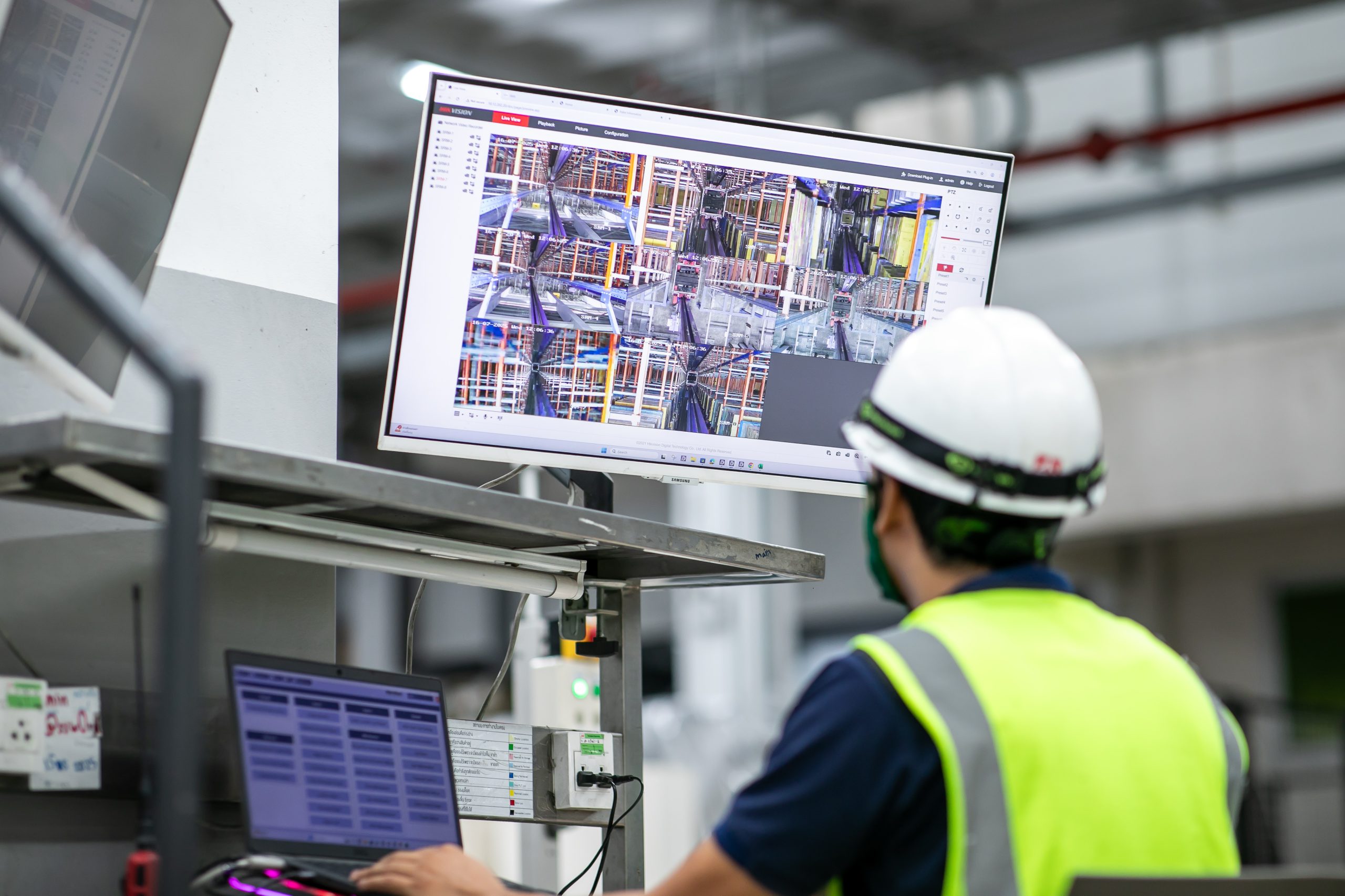
Integrated Energy Dashboard